.svg)

Digital Transformation vs Optimization in 2025: B2B Strategy Guide

Authors

Matt Letta
CEO of FW
Reading Time
Digital Transformation vs. Digital Optimization: What Should B2B Leaders Do in 2025?

Global spending on digital transformation is set to exceed $2.8 trillion by 2025, forcing B2B executives to decide between radical change and incremental improvement. Choosing the right path—digital transformation vs digital optimization—determines whether you build new business models or refine existing processes for faster ROI. This guide defines both concepts, compares scope and risk, explores AI’s role, lays out a digital maturity assessment, outlines a 2025 roadmap for modernization vs migration, and shows how Future.Works can support your journey.
What Is Digital Transformation and How Does It Drive Radical Change?
Digital transformation is the strategic redesign of core business models through integrating advanced technologies like AI and cloud computing to unlock new revenue streams and competitive differentiation. By reengineering processes end to end, transformation delivers breakthrough customer experiences and operational agility.
What Are the Key Characteristics of Digital Transformation?
Before turbocharging operations, transformation projects share five core attributes:
- Business Model Innovation – Shifts value propositions and revenue sources through digital products.
- End-to-End Process Redesign – Replaces legacy workflows with data-driven automation.
- Customer-Centric Platforms – Centers on seamless experiences powered by omnichannel intelligence.
- Cultural Reinvention – Promotes agile mindsets and cross-functional collaboration.
- Technology Fusion – Integrates AI, IoT, cloud, and analytics for real-time decision-making.
These characteristics set the stage for AI-powered transformation in 2025.
How Does AI Power Digital Transformation in 2025?
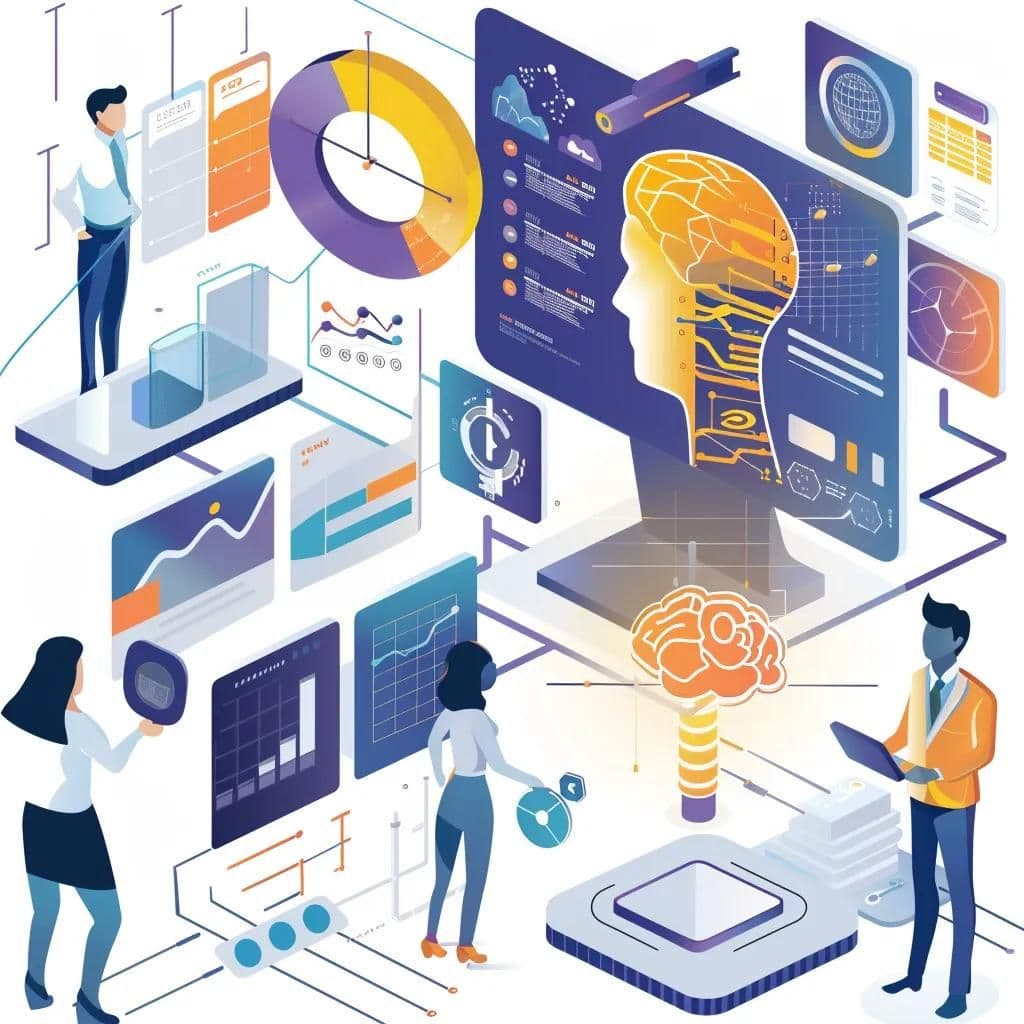
AI enables transformation by automating decisions, uncovering insights, and delivering personalized experiences at scale. In 2025, leading applications include:
- Agentic AI that autonomously orchestrates supply-chain adjustments and customer outreach.
- Generative AI for rapid content, design and product innovation.
- Predictive analytics that forecast market shifts and optimize inventory in real time.
By embedding AI into every layer of operations, organizations achieve savings and revenue uplift beyond conventional automation.
What Are the Main Challenges of Digital Transformation for B2B Companies?
- Cultural resistance to new ways of working
- Legacy systems that lack interoperability
- Skill gaps in AI, data science, and cloud engineering
- Unclear ROI metrics for high-risk projects
- Security and compliance concerns in regulated industries
Addressing these challenges requires structured change management and a phased reengineering approach that balances ambition with risk mitigation.
Which Business Process Reengineering Steps Support Digital Transformation?
Before deploying AI, business process reengineering (BPR) lays the foundation for dramatic efficiency gains. A typical five-step BPR sequence is:
This structured methodology ensures that digital transformation is grounded in optimized process logic.
What Are Real-World Examples of Successful AI-Powered Digital Transformations?
- A European industrial firm reduced downtime by 40% through AI-driven predictive maintenance in its factories.
- A B2B services provider lifted cross-sell rates 30% by deploying conversational AI agents across its sales channels.
- An energy company achieved a 25% drop in operational costs by automating asset monitoring using edge AI and cloud orchestration.
Global manufacturers, mission-critical services and supply-chain operators have realized dramatic gains:
AI-Driven Predictive Maintenance
AI-driven predictive maintenance in factories has led to substantial improvements, such as a 40% reduction in downtime for a European industrial firm. This demonstrates the tangible benefits of integrating AI into operational processes.
Deloitte, The State of AI in Manufacturing (2023)
This example illustrates the practical application and impact of AI in digital transformation, as discussed in the article.These cases illustrate how strategic AI infusion powers radical transformation and creates new business value.
What Is Digital Optimization and When Should You Choose Incremental Improvement?
Digital optimization is the continuous enhancement of existing processes and systems to improve efficiency, customer engagement and ROI without overhauling business models. By leveraging analytics and automation, optimization maximizes performance in the short term and builds a culture of ongoing refinement.
What Defines Digital Optimization and Its Benefits for Existing Processes?
- Performance Improvement – Streamlines workflows to reduce cycle times and costs.
- User-Experience Refinement – Applies A/B testing and personalization to boost satisfaction.
- Data-Driven Tweaks – Uses real-time metrics and dashboards to guide resource allocation.
Optimization’s incremental nature delivers measurable results quickly, laying groundwork for larger digital initiatives.
How Does AI Enhance Digital Optimization Efforts?
- Predictive analytics that adapt marketing campaigns to customer behavior in real time.
- Robotic process automation (RPA) that handles repetitive tasks with precision and speed.
- Personalization engines that tailor product recommendations and support interactions.
These AI-powered tools ensure incremental changes compound into significant performance uplifts.
What Are Best Practices for Digital Optimization in B2B Sectors?

- Establish Clear Metrics – Define KPIs that reflect cost, speed, quality, and customer experience.
- Adopt Agile Experimentation – Run rapid tests and incorporate learnings into iterative cycles.
- Leverage Low-Code Platforms – Empower citizen developers to deploy automations swiftly.
- Invest in Data Governance – Ensure data quality and compliance across optimization initiatives.
- Align with Strategic Goals – Tie incremental improvements back to overarching business objectives.
By embedding these practices into culture, companies sustain continuous optimization momentum.
Can You See Examples of Effective Digital Optimization in Action?
- A logistics provider increased delivery accuracy 15% by optimizing route planning with AI algorithms.
- A manufacturing parts supplier grew lead conversion by 20% through predictive lead-scoring models.
- An industrial services firm cut invoice processing time by 60% via RPA and AI-driven exception handling.
These use cases demonstrate how targeted optimizations generate measurable ROI and user satisfaction.
What Are the Fundamental Differences Between Digital Transformation and Digital Optimization?
Digital transformation reimagines business models end to end, while digital optimization refines existing processes for incremental gain. Transformation carries higher risk and impact; optimization focuses on quick wins and risk containment.
When Should a Business Prioritize Transformation Over Optimization?
Choose transformation when your organization faces:
- Disruptive market shifts that render current models obsolete
- Significant technology debt and siloed systems
- Customer expectations demanding entirely new experiences
- Strategic mandates to create digital products or platforms
In these scenarios, radical redesign becomes essential for long-term survival and growth.
How Does AI’s Role Vary Between Transformation and Optimization?
AI drives transformation through generative design, autonomous agents and platform innovation, whereas optimization relies on AI for predictive insights, task automation and personalized engagement. In transformation, AI powers new business models; in optimization, AI enhances existing processes.
How Can You Assess Your Digital Maturity to Guide Your 2025 Strategy?
A digital maturity model measures your organization’s readiness across people, processes, technology and culture to determine whether you should transform or optimize first.
What Is a Digital Maturity Model and Why Is It Important?
A digital maturity model is a framework that evaluates capabilities across stages—from nascent to multi-moment enterprises—to prioritize investments and minimize risk. It provides a roadmap for aligning resources with strategic objectives, ensuring digital initiatives deliver value.
How Do You Evaluate Your Current Digital Readiness?
Assessment tools and frameworks typically involve:
- Surveys and Interviews with stakeholders to gauge cultural and leadership alignment.
- Process Audits to map workflows and identify automation potential.
- Technology Inventories to assess legacy debt and integration gaps.
- Data Health Checks to measure quality, governance, and analytics maturity.
The output is a clear maturity score that informs whether to optimize existing assets or pursue transformation.
What Are the Stages of Digital Maturity and Their Implications?
- Nascent – Minimal digital tools; projects siloed and experimental.
- Emerging – Basic analytics and automations; digital tactics support core processes.
- Connected – Integrated platforms enable cross-functional collaboration and data sharing.
- Multi-Moment Enterprise – AI-powered real-time intelligence drives continuous process adaptation.
Each stage demands specific investments and indicates whether transformation or optimization will yield the greatest immediate impact.
How Does Digital Maturity Influence the Choice Between Transformation and Optimization?
Organizations at the nascent and emerging stages often benefit most from optimization to build momentum and reduce risk. Connected and multi-moment enterprises are primed for transformation, leveraging integrated platforms and AI to unlock new business models.
What Is the 2025 Roadmap for Choosing Between Modernization and Migration?
In 2025, B2B leaders must decide not only between transformation and optimization but also between modernization and migration when replatforming core systems.
What Are the Differences Between Modernization and Migration in Digital Strategy?
Modernization involves refactoring and enhancing existing applications to support new capabilities, while migration lifts and shifts workloads to the cloud or new environments with minimal code changes. Modernization fuels agility and scalability; migration delivers infrastructure cost savings and quick cloud adoption.
How Does Business Process Reengineering Fit Into Modernization Efforts?
BPR aligns with modernization by redesigning processes before or during platform refactoring. This ensures that rearchitected systems support optimized workflows and AI-driven automations rather than replicating outdated methods.
What Are the Key Steps in Developing a Digital Strategy for 2025?
A five-step decision framework guides your approach:
- Assess Current State – Use a digital maturity model to pinpoint strengths and gaps.
- Define Strategic Goals – Align digital initiatives with revenue, cost, and customer objectives.
- Evaluate Capabilities – Audit technology, data, and talent readiness.
- Select Path – Choose between optimization, modernization, migration, or transformation.
- Implement and Measure – Launch pilots, iterate based on metrics, and scale successful models.
This structured path ensures clarity and accountability throughout your digital roadmap.
How Can You Overcome Common Challenges Like Cultural Resistance and Legacy Systems?
Successful change leaders employ three strategies:
- Executive Sponsorship – Secure visible commitment and funding at the C-suite level.
- Cross-Functional Teams – Break down silos with hybrid squads of IT, operations, and business experts.
- Incremental Wins – Combine optimization sprints with transformation pilots to demonstrate value and build momentum.
These tactics foster engagement, reduce risk aversion, and accelerate adoption of new practices.
What Are the Latest Industry Trends and Statistics Shaping Digital Transformation and Optimization in 2025?
Emerging data and trends reveal where B2B leaders must focus their efforts to stay competitive in 2025 and beyond.
How Is Global Spending on Digital Transformation Expected to Grow by 2025?
Market forecasts project a 17.4% CAGR in digital transformation spending, reaching $2.8 trillion by 2025 and $3.1 trillion by 2026. This growth underscores the urgency for enterprises to allocate budget toward both strategic transformation and ongoing optimization.
What Role Will AI and Generative AI Play in Future Digital Initiatives?
By 2025, AI evolves from a support tool into autonomous agents that execute marketing, supply-chain and customer-service tasks. Generative AI adoption will expand across content creation, design prototyping and code generation, opening new frontiers for business model innovation.
Why Do 70% of Digital Initiatives Fail and How Can You Avoid This?
Most failures stem from unclear objectives, misaligned partners, and lack of organizational readiness. To improve success rates:
- Define Clear ROI Metrics – Tie each initiative to specific financial or experience targets.
- Select the Right Partners – Choose experienced consultancies with proven AI-powered methodologies.
- Invest in Change Management – Prepare teams with training, communication, and support frameworks.
Digital Initiatives Failure Rates
A significant number of digital initiatives fail due to factors like unclear objectives and a lack of organizational readiness. Addressing these issues through clear ROI metrics, selecting the right partners, and investing in change management can improve success rates.
McKinsey & Company, Digital Transformation: A Roadmap for Success (2024)
This citation provides context for the challenges of digital transformation and offers strategies to mitigate risks, as mentioned in the article.
How Does Aligning Digital Change with Strategy Improve Market Value?
Companies that synchronize digital investments with corporate strategy report a 14% higher market valuation. This correlation demonstrates that tightly integrated digital roadmaps amplify competitive advantage and shareholder returns.
How Can Future.Works Help You Navigate AI-Powered Digital Transformation and Optimization?
Future.Works offers comprehensive AI-powered digital transformation services that guide B2B leaders from strategy through execution, ensuring sustainable growth and measurable impact.
What AI-Powered Digital Transformation Services Does Future.Works Offer?
- AI Strategy Development – Roadmaps for integrating agentic and generative AI across business functions.
- Digital Maturity Assessments – Customized evaluations to align initiatives with organizational readiness.
- Business Process Reengineering – End-to-end workflow redesign powered by analytics and automation.
- Cloud Modernization and Migration – Cloud-native architecture and secure lift-and-shift solutions.
- Data Analytics and Insight Platforms – Real-time dashboards and predictive models for decision support.
These services enable clients to transform strategically and optimize continuously.
How Does Future.Works Support Long-Term Partnerships for Sustainable Growth?
By embedding cross-functional squads and offering managed services, Future.Works ensures ongoing performance tuning, knowledge transfer, and innovation pipelines. This partnership-driven approach cements lasting value and fosters a culture of continuous improvement.
Where Can You Find Case Studies and Resources to Learn More?
Explore detailed case studies, whitepapers, and thought-leadership articles on the Future.Works homepage to see proven outcomes in action and deepen your understanding of best practices in AI-powered transformation and optimization.
Dive deeper at https://future.works/services/ to discover how our services map to your strategic priorities and accelerate your digital journey.
Partnering with Future.Works ensures that your 2025 digital strategy is informed by proven frameworks, powered by AI, and tailored to your organization’s maturity level. Whether you need radical transformation or incremental optimization, our expertise helps you achieve sustainable competitive advantage.