.svg&w=256&q=75)

Next Gen Digital Transformation
Cloud Migration vs. App Modernization: An AI Decision Framework

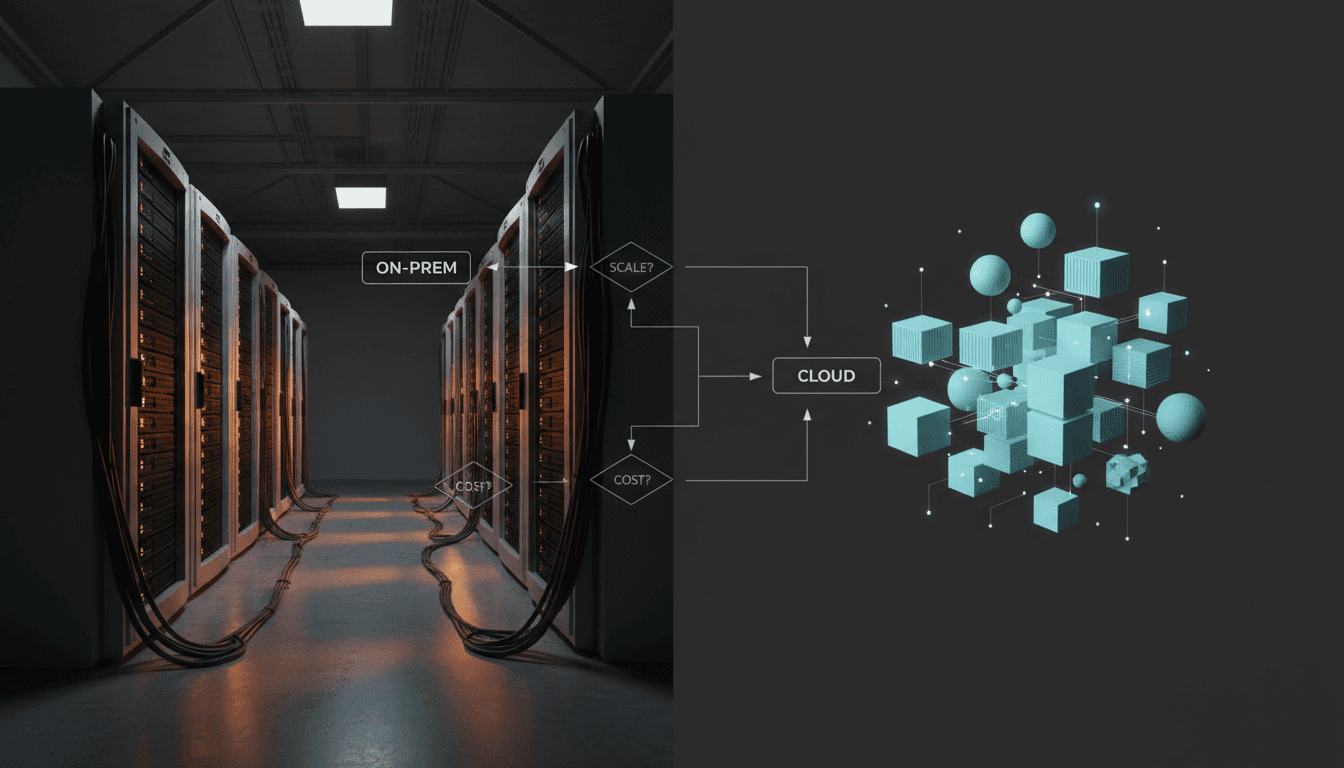
Cloud Migration or App Modernization? A CTO’s AI-Powered Decision Framework for Strategic IT Transformation

Navigating the choice between cloud migration and application modernization is pivotal for an organization’s agility, scalability, and cost efficiency. This decision framework equips CTOs with AI-driven insights to optimize infrastructure, reduce total cost of ownership (TCO), and accelerate digital transformation. You will discover:
-
Key distinctions between migrating and modernizing legacy systems
-
The six Rs of cloud migration strategies
-
A deep dive into TCO calculation, AI-enabled forecasting, and FinOps best practices
-
How AI tools inform readiness assessments, risk analysis, and continuous optimization
-
Security, compliance, and zero trust considerations
-
A practical, step-by-step decision framework tailored for mission-critical sectors
-
Real-world case studies demonstrating outcomes in finance and manufacturing
-
By aligning AI-powered digital transformation with strategic guidance, this framework bridges technical and business perspectives—enhancing decision confidence for forward-thinking executives. [Future.
-
Works – AI-Powered Digital Transformation](https://future.works/)
What Are the Key Differences Between Cloud Migration and Application Modernization?
Cloud migration involves transferring existing workloads to the cloud with minimal alterations, enhancing infrastructure accessibility and reducing hardware dependencies. Application modernization, conversely, refactors code and architectures to leverage cloud-native services for superior agility and innovation. Below is a comparison of how each approach addresses strategic objectives and technical outcomes This differentiation establishes the criteria for decision-making and subsequent strategy evaluation.
How Does Cloud Migration Impact Legacy IT Systems?
Cloud migration accelerates hardware decommissioning and reduces on-premises maintenance by encapsulating legacy systems within virtualized environments, thereby lowering operational overhead and improving availability. Migrating lifts technical debt without re-architecting, preserving existing processes while paving the way for future modernization.
What Does Application Modernization Involve Beyond Migration?
Application modernization transforms monolithic codebases into modular, microservices-driven architectures, integrates container orchestration and serverless functions, and embeds CI/CD workflows to continuously deliver features and bolster resilience. This evolution supports faster releases, enhanced performance, and new business capabilities.
When Should CTOs Choose Migration Over Modernization?
CTOs should opt for migration when immediate cost reductions and rapid provisioning are paramount, legacy systems already meet performance requirements, and long-term refactoring can be deferred; this approach balances short-term agility with planned modernization.
When Should CTOs Choose Migration Over Modernization?
CTOs should opt for migration when immediate cost reductions and rapid provisioning are paramount, legacy systems already meet performance requirements, and long-term refactoring can be deferred; this approach balances short-term agility with planned modernization.
What Are the Core Cloud Migration Strategies: Rehost, Replatform, and Refactor?
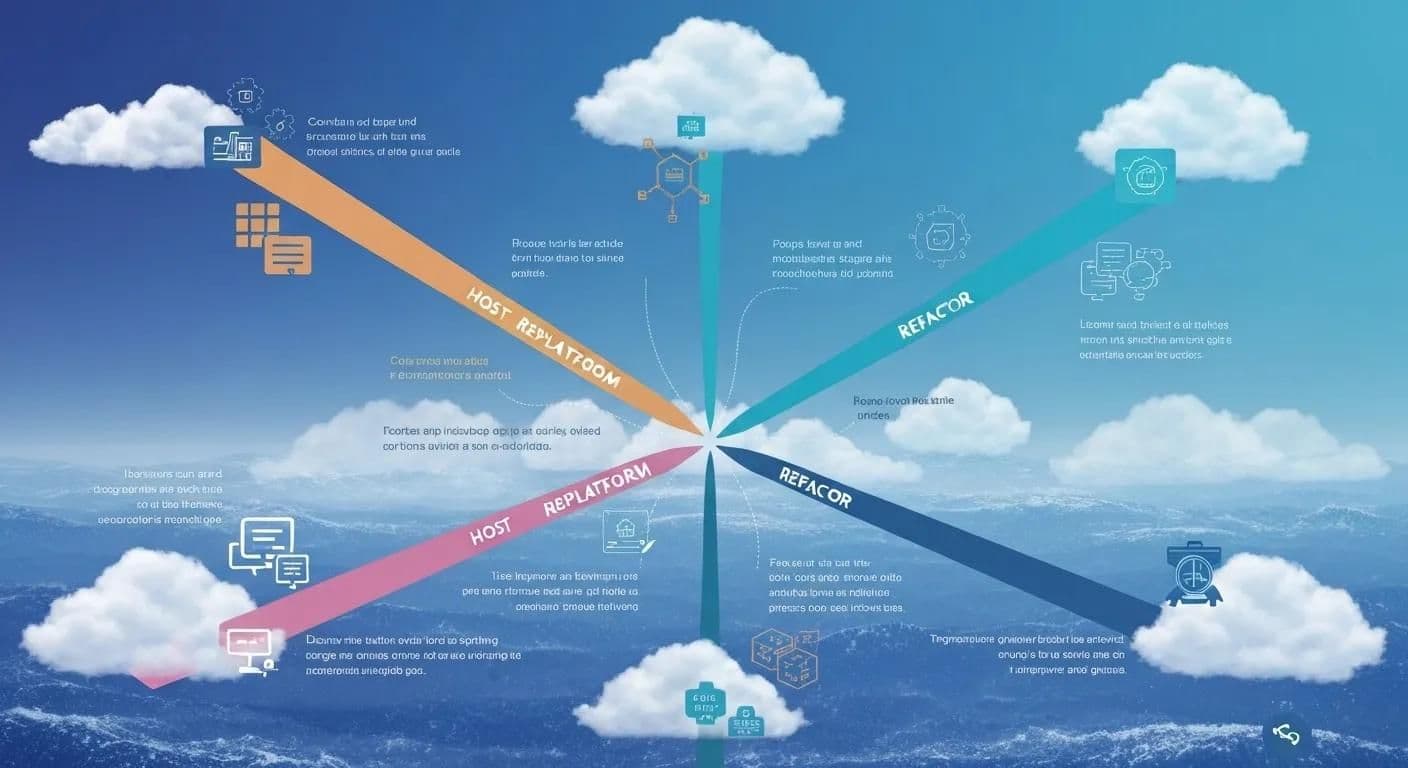
Core cloud migration strategies—rehost, replatform, and refactor—offer escalating levels of optimization, allowing CTOs to balance speed, cost, and architectural modernization.
Armbrust, M., Fox, A., Griffith, R., Joseph, A. D., Katz, R. H., Konwinski, A., ... & Stoica, I. (2010). A view of cloud computing. Communications of the ACM, 53(4), 50-58.
This research provides a foundational understanding of cloud computing and its various service models, which is relevant to the different migration strategies discussed above. These pathways guide technology leadership in aligning effort with desired business outcomes.
What Is Rehost (“Lift and Shift”) and When Is It Appropriate?
Rehost involves moving workloads into cloud VMs without code changes, enabling rapid data center exit, reduced capital expenditure, and accelerated initial adoption when budgets or timelines are constrained.
How Does Replatform (“Lift, Tinker, and Shift”) Improve Cloud Adoption?
Replatform adjusts runtime components—such as migrating to managed databases or container platforms—enhancing resource utilization and reducing operational overhead while preserving core application logic.
What Are the Advantages of Refactor for Cloud-Native Performance?
Refactoring decomposes monoliths into microservices, integrates serverless functions, and incorporates automated testing, delivering superior resilience, cost efficiency through granular scaling, and streamlined maintenance.
What Are the Other Migration Paths: Repurchase, Retire, and Retain?
Beyond the primary three, CTOs can repurchase SaaS alternatives to replace custom systems, retire obsolete applications to eliminate waste, or retain critical on-premises workloads for compliance and latency-sensitive use cases.
How Do These Strategies Compare in Terms of Complexity and Risk?
Complexity and risk escalate from rehost to refactor: rehosting carries minimal disruption, replatforming introduces moderate risk in middleware changes, and refactoring demands extensive redevelopment and testing but yields the highest business value.
How Can CTOs Calculate and Optimize Total Cost of Ownership (TCO) for Cloud Migration and Modernization?
Calculating TCO involves quantifying upfront migration effort, ongoing operational expenses, and long-term savings; AI-driven forecasting refines these projections by analyzing utilization patterns and predicting cost variances. This breakdown informs precise budgeting and investment justification.
What Components Make Up the TCO in Cloud Transformation?
TCO encompasses infrastructure charges, licensing, personnel costs, and continuous optimization overhead, with hidden factors like data egress fees and compliance audits influencing long-term financial outcomes.
How Does AI Enhance TCO Prediction and Cost Optimization?
AI analyzes historical utilization, detects inefficiencies, and recommends resource rightsizing, enabling CTOs to proactively reduce waste, forecast budget deviations, and adapt strategies to dynamic workloads.
What Is the Role of FinOps in Managing Cloud Costs?
FinOps merges financial accountability with operational insights, fostering cross-functional collaboration to enforce budgeting policies, track spending against targets, and optimize resource allocation in real time.
How Can ROI Be Measured for Migration vs. Modernization Projects?
ROI measurement contrasts project investments against efficiency gains—evaluated through metrics such as reduced mean time to recovery (MTTR), deployment frequency increases, and net present value of operational savings.
How Does AI Power Smarter Decision-Making in Cloud Migration and Application Modernization?
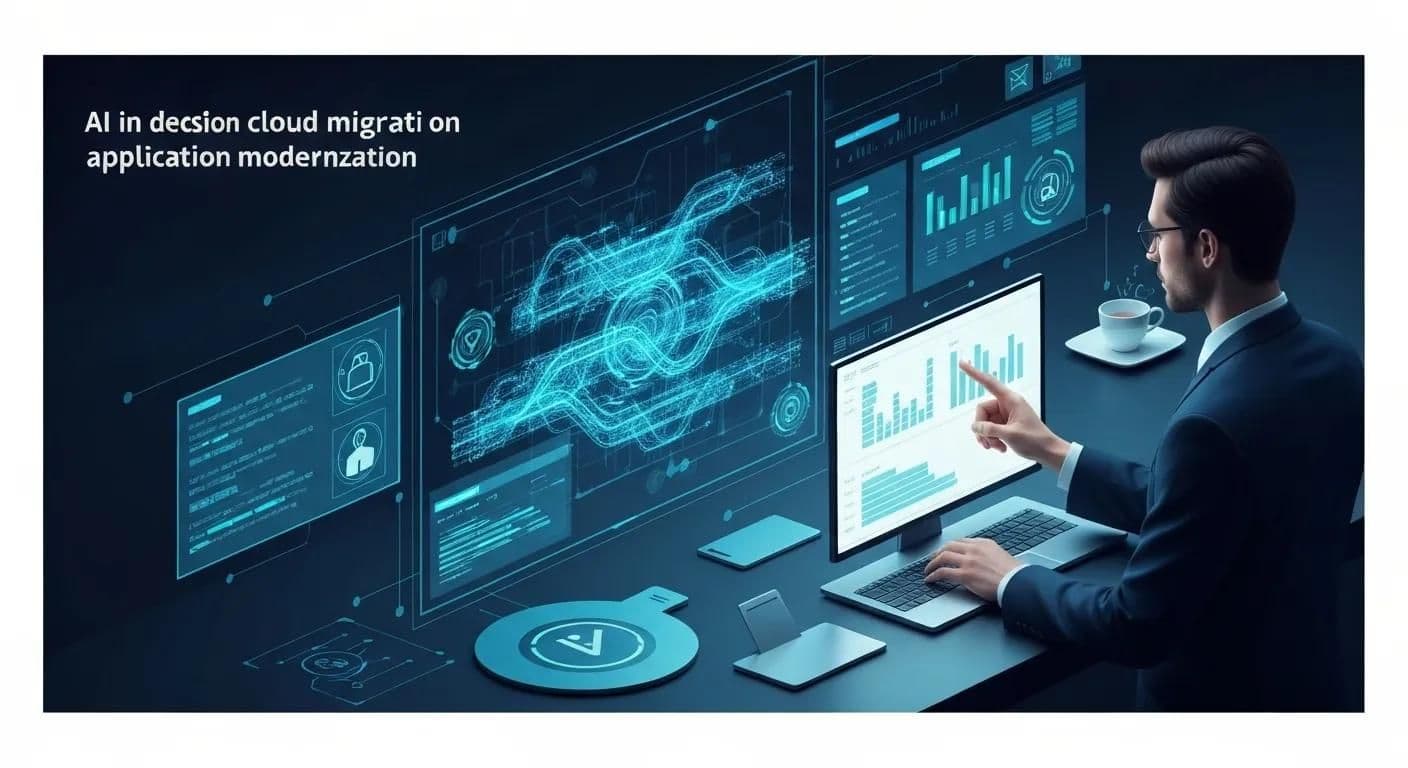
AI leverages machine learning to map application dependencies, predict migration complexity, and identify modernization candidates, accelerating informed decision-making while mitigating risks.
Buyya, R., Broberg, J., & Goscinski, A. M. (2011). Cloud computing: Principles and paradigms. John Wiley & Sons.
This book provides a comprehensive overview of cloud computing principles, including the role of AI in optimizing cloud environments, which supports the discussion of AI-powered decision-making.
Applying these tools helps CTOs deliver transformative outcomes at pace.
What AI Tools Help Assess Migration Readiness and Application Suitability?
AI-driven platforms scan codebases, map interdependencies, and assign complexity scores, prioritizing high-impact targets for migration or refactoring.
How Can Predictive Analytics Identify Risks and Opportunities?
Predictive models surface performance bottlenecks, security vulnerabilities, and compliance gaps before migration, guiding mitigation strategies and opportunity sequencing.
In What Ways Does AI Support Continuous Optimization Post-Migration?
Post-migration, AI-driven observability solutions analyze telemetry streams to auto-scale resources, remediate anomalies, and recommend architectural tweaks that enhance performance and cost efficiency.
What Are the Essential Security and Compliance Considerations for CTOs During Cloud Migration and Modernization?
Security in cloud transformation hinges on layered defenses, automated policy enforcement, and zero trust principles to protect data and maintain regulatory alignment.
These controls preserve trust and enable secure transformation journeys.
What Are Best Practices for Cloud Security in Migration Projects?
CTOs should enforce least-privilege access, implement infrastructure-as-code policies, and integrate continuous security scans into CI/CD pipelines to preempt vulnerabilities.
How Do Regulatory Compliance and Data Governance Affect Cloud Decisions?
Data residency mandates, standards like HIPAA or GDPR, and governance policies dictate workload placement, encryption protocols, and audit processes throughout the migration lifecycle.
What Is the Role of Zero Trust Architecture in Cloud Environments?
Zero trust enforces continuous verification of users and devices, segments networks, and applies granular policies that adapt dynamically to risk signals—reducing attack surfaces and improving resilience.
How Can CTOs Build and Implement an Effective Cloud Migration or Modernization Decision Framework?
An effective framework combines strategic criteria, decision trees, and AI insights to guide CTOs systematically from assessment through execution.
- Define Objectives: Align technical goals with business outcomes such as cost reduction, agility, and innovation.
- Assess Readiness: Utilize AI tools to evaluate applications, infrastructure, and organizational capabilities.
- Select Strategy: Map workloads to rehost, replatform, refactor, or alternative Rs based on complexity and ROI.
- Validate TCO: Apply AI-driven forecasting and FinOps principles to justify budgets.
- Plan Security & Compliance: Integrate zero trust and governance from the outset.
- Execute & Optimize: Leverage CI/CD, observability, and continuous AI-powered tuning.
This modular approach ensures alignment across technical teams and executive stakeholders.
What Are the Step-by-Step Criteria for Choosing the Right Strategy?
Criteria include complexity scores, business criticality, cost sensitivity, compliance requirements, and innovation potential—weighted according to organizational priorities.
How Can Decision Trees and Flowcharts Simplify Complex Choices?
Visual decision aids illustrate strategy paths based on criteria thresholds, improving cross-team clarity and speeding consensus on migration versus modernization.
What Industry-Specific Factors Should Influence the Framework?
Highly regulated sectors may prioritize data residency and audit readiness, while manufacturing focuses on OT integration and low-latency controls; customizing criteria ensures relevance.
How Can CTOs Integrate AI Insights Into Their Framework?
Embedding AI-generated readiness scores, risk forecasts, and optimization recommendations within decision artifacts transforms static frameworks into dynamic, data-driven playbooks.
What Real-World Case Studies Demonstrate Successful Cloud Migration and Application Modernization?
These case studies showcase measurable outcomes from AI-powered transformation initiatives.Financial Services Firm – 30 % TCO Reduction A leading bank replatformed its core ledger system using AI forecasting and FinOps best practices, achieving a 30 % reduction in total cost of ownership and 40 % faster release cycles. Compliance automation and zero trust segmentation underpinned the secure rollout. Manufacturing App Modernization with AI A global manufacturer refactored a legacy production planning application into microservices guided by AI-driven risk assessment. The modernization improved throughput by 50 %, reduced downtime by 35 %, and enabled real-time IoT integration. These success stories highlight how strategic frameworks and AI integration deliver tangible business value and resilience. Transforming legacy landscapes demands precise strategies, AI intelligence, and robust governance—but the reward is accelerated innovation, cost efficiency, and competitive advantage. Future.Works’ expertise in cloud solutions and AI strategy services empowers CTOs to implement these frameworks confidently and achieve transformational results. Implement your AI-powered decision framework today to elevate scalability, security, and long-term ROI.